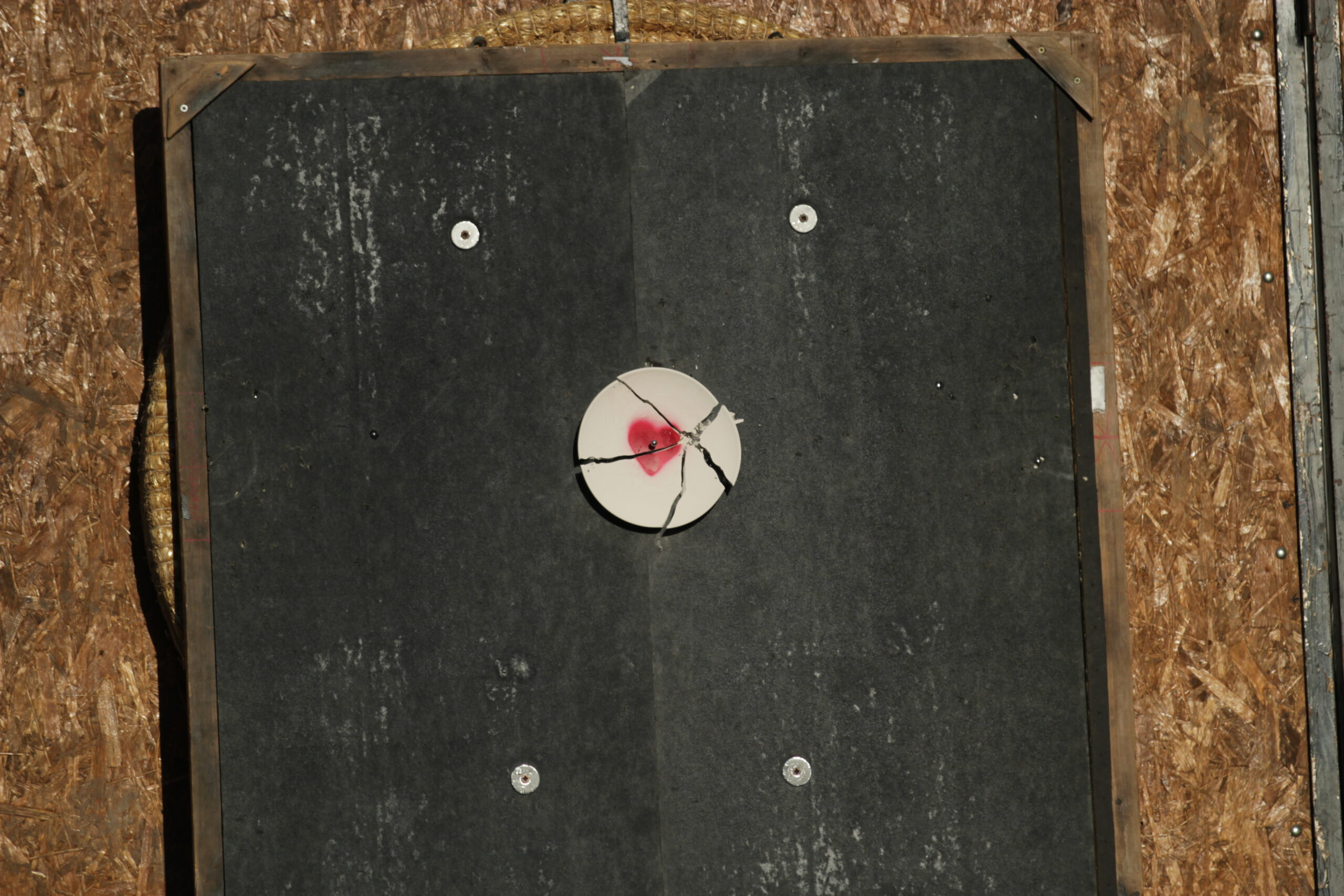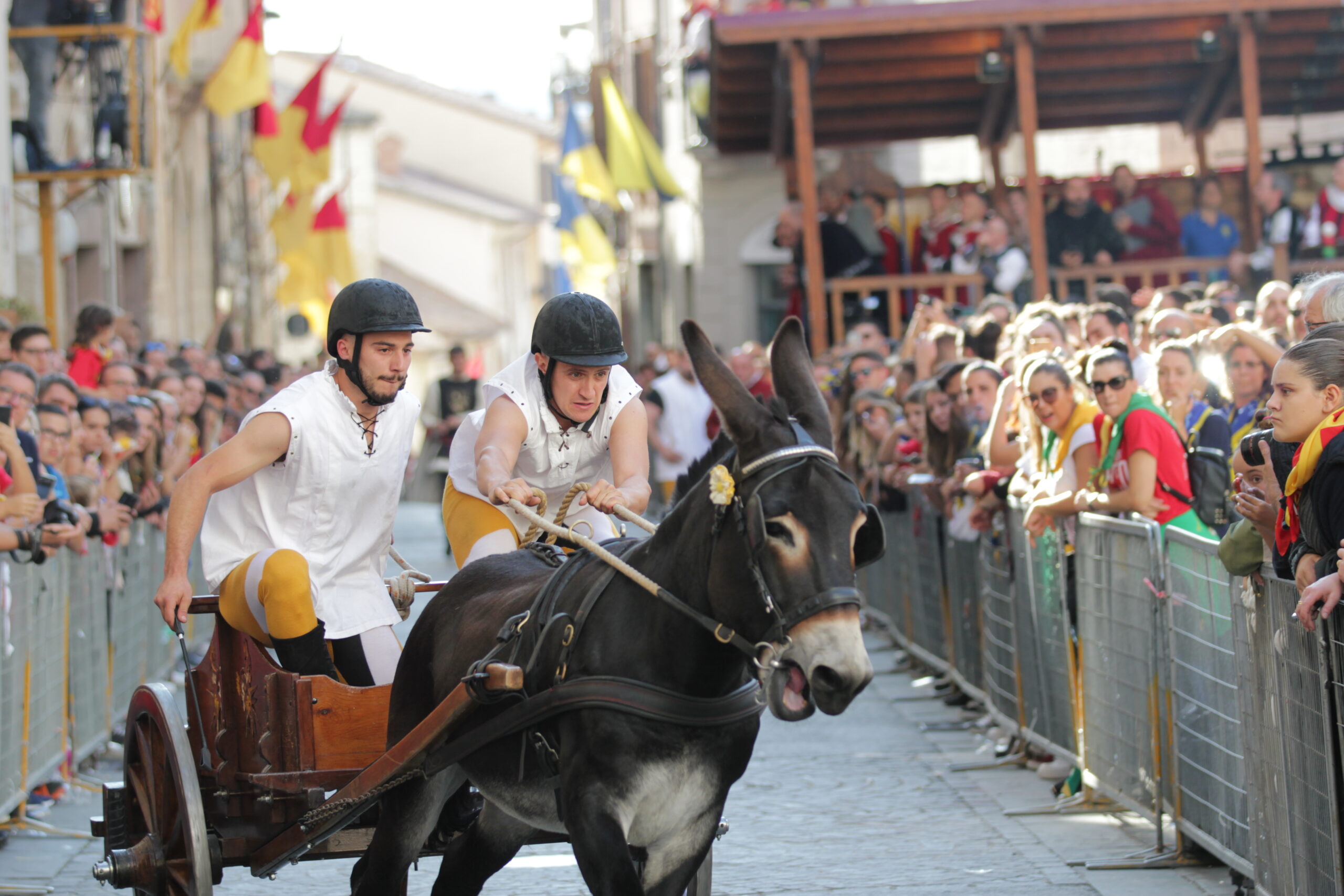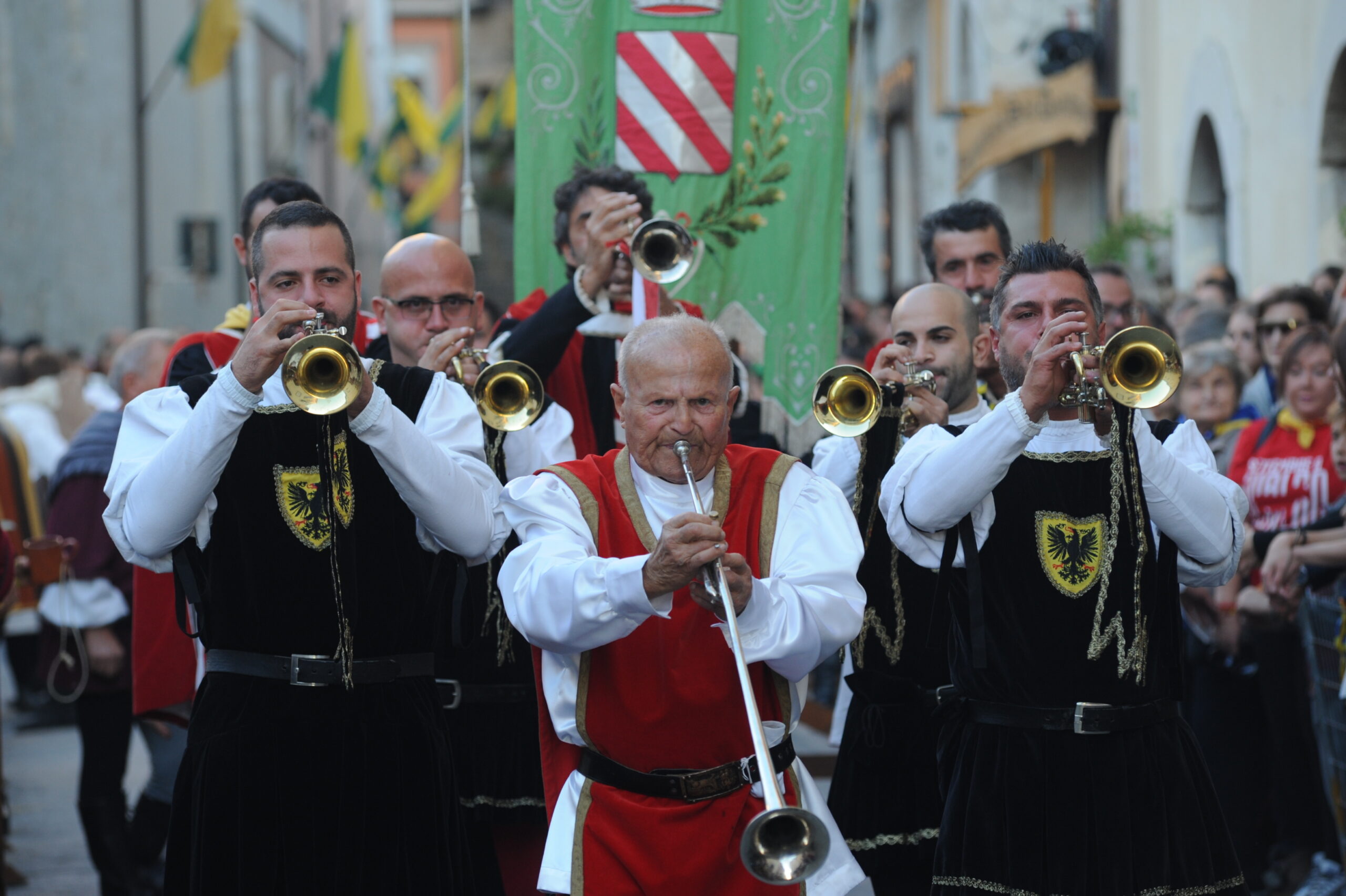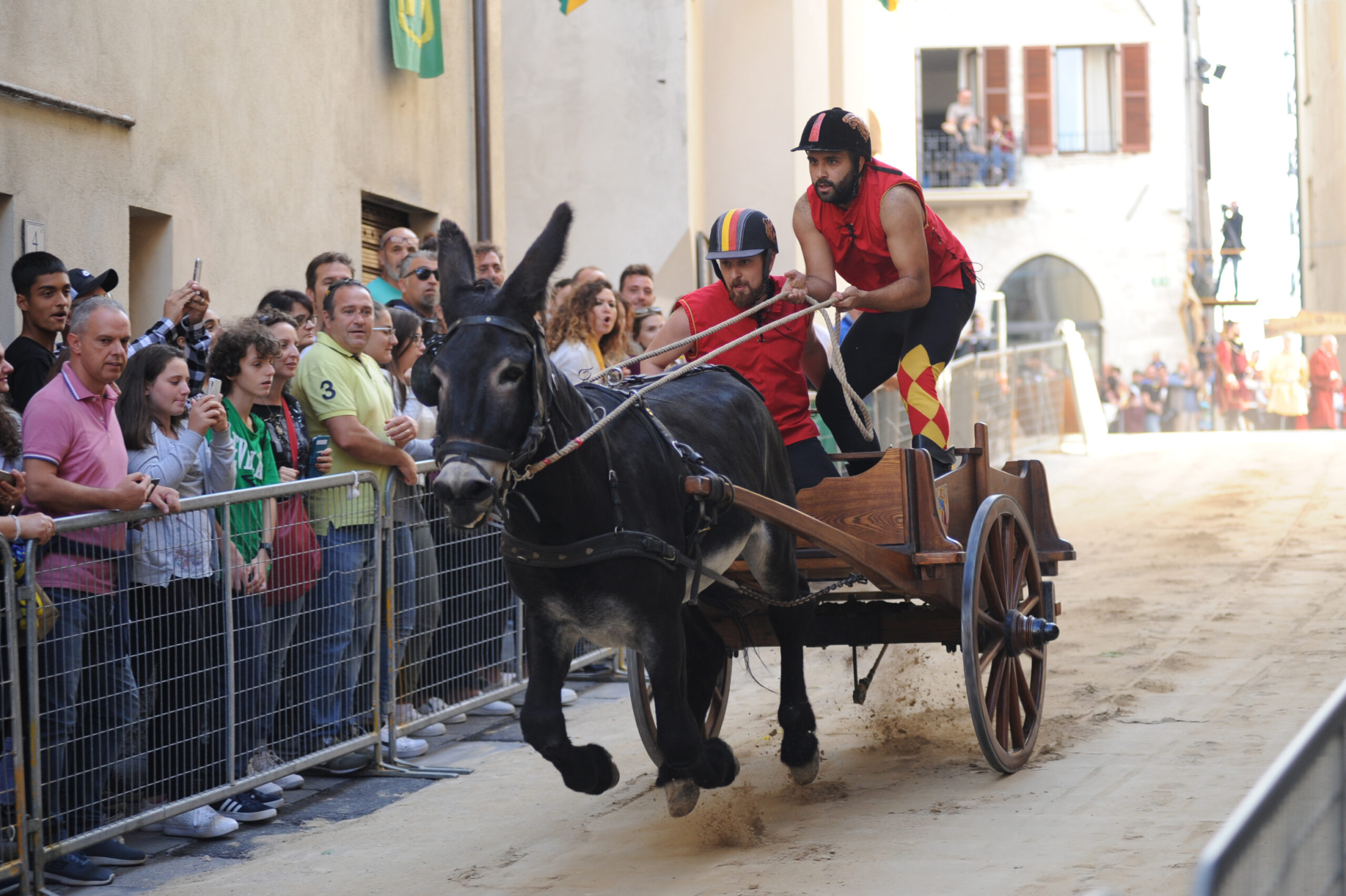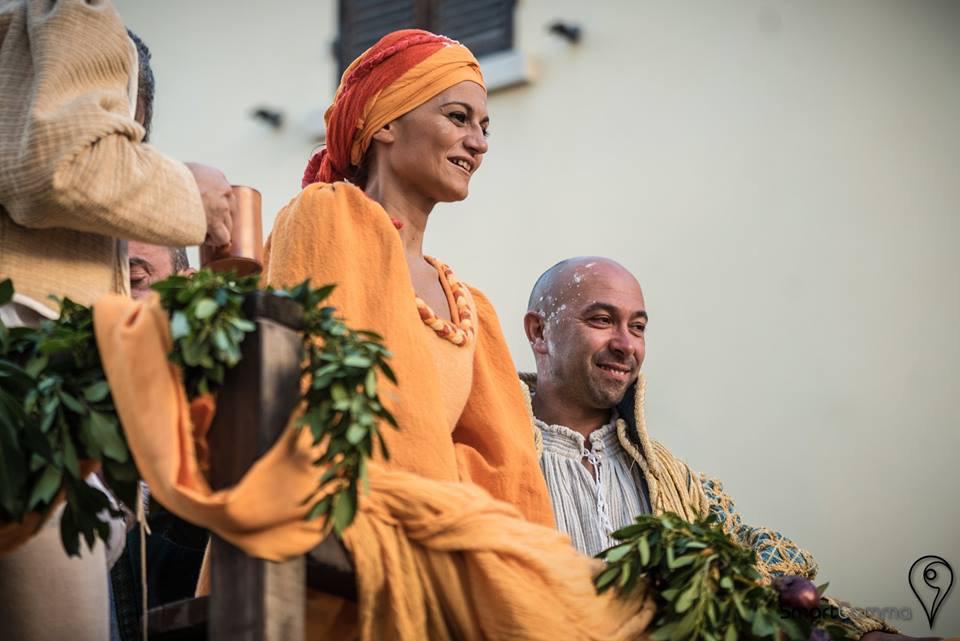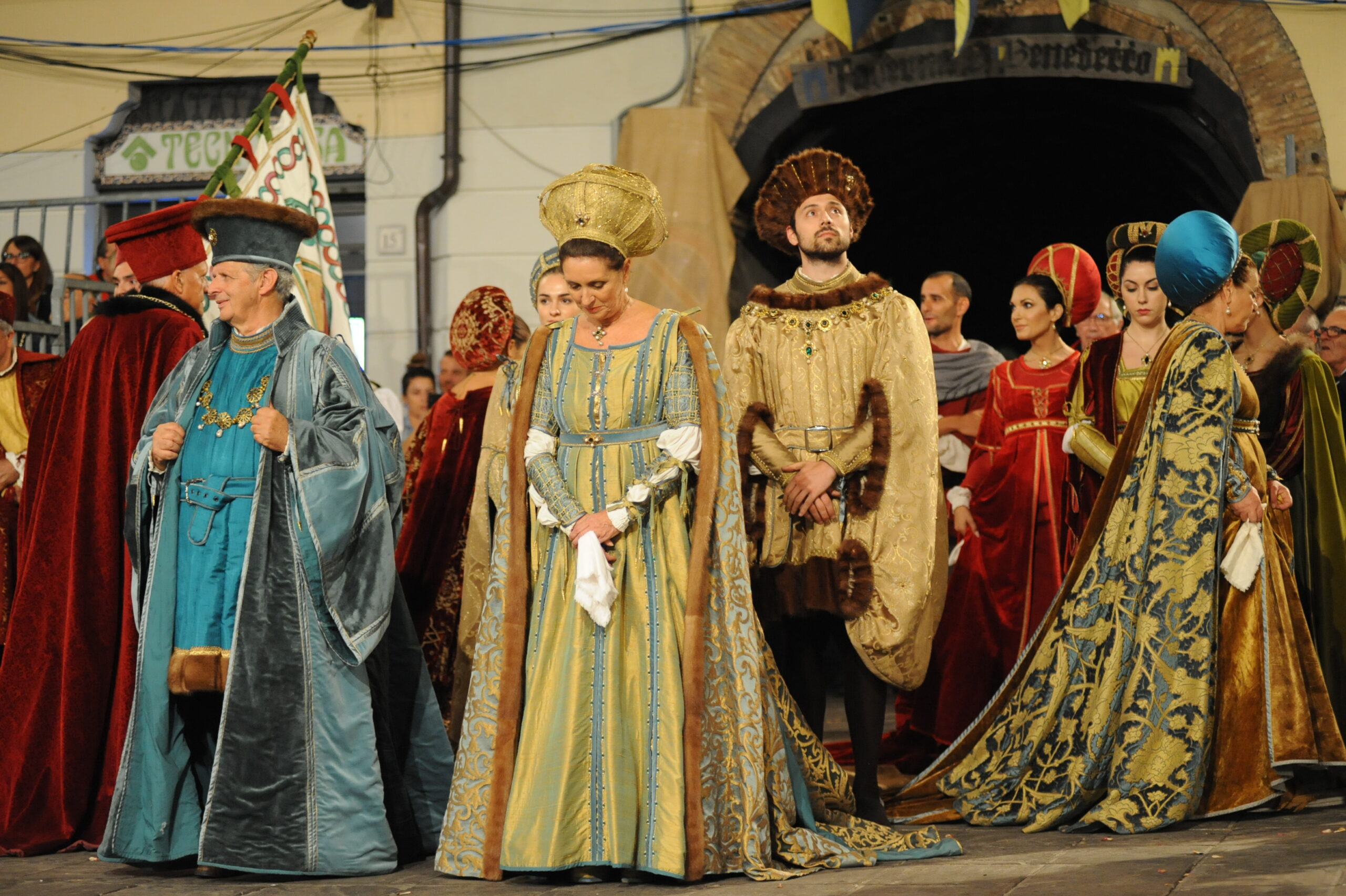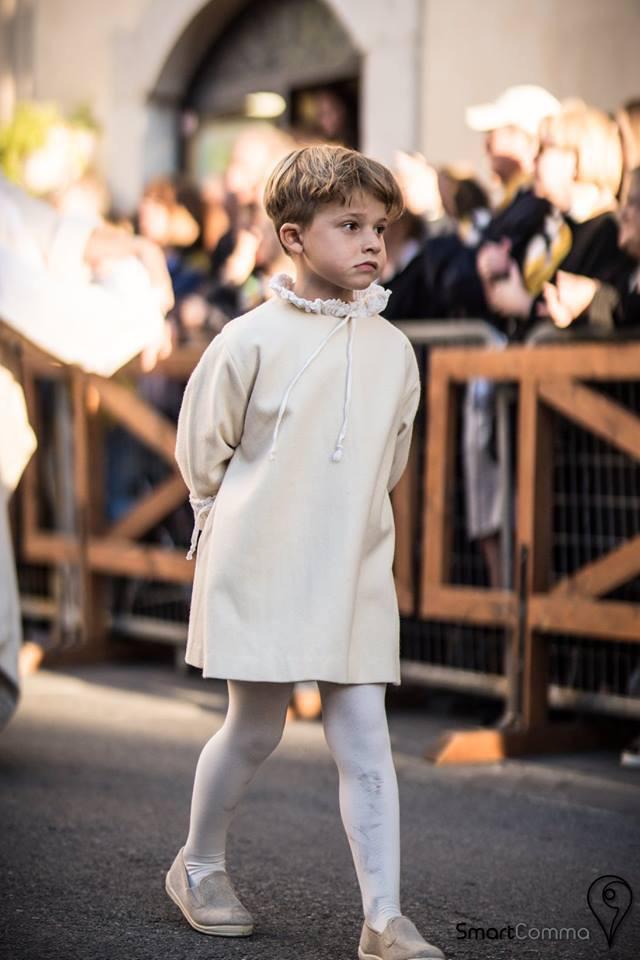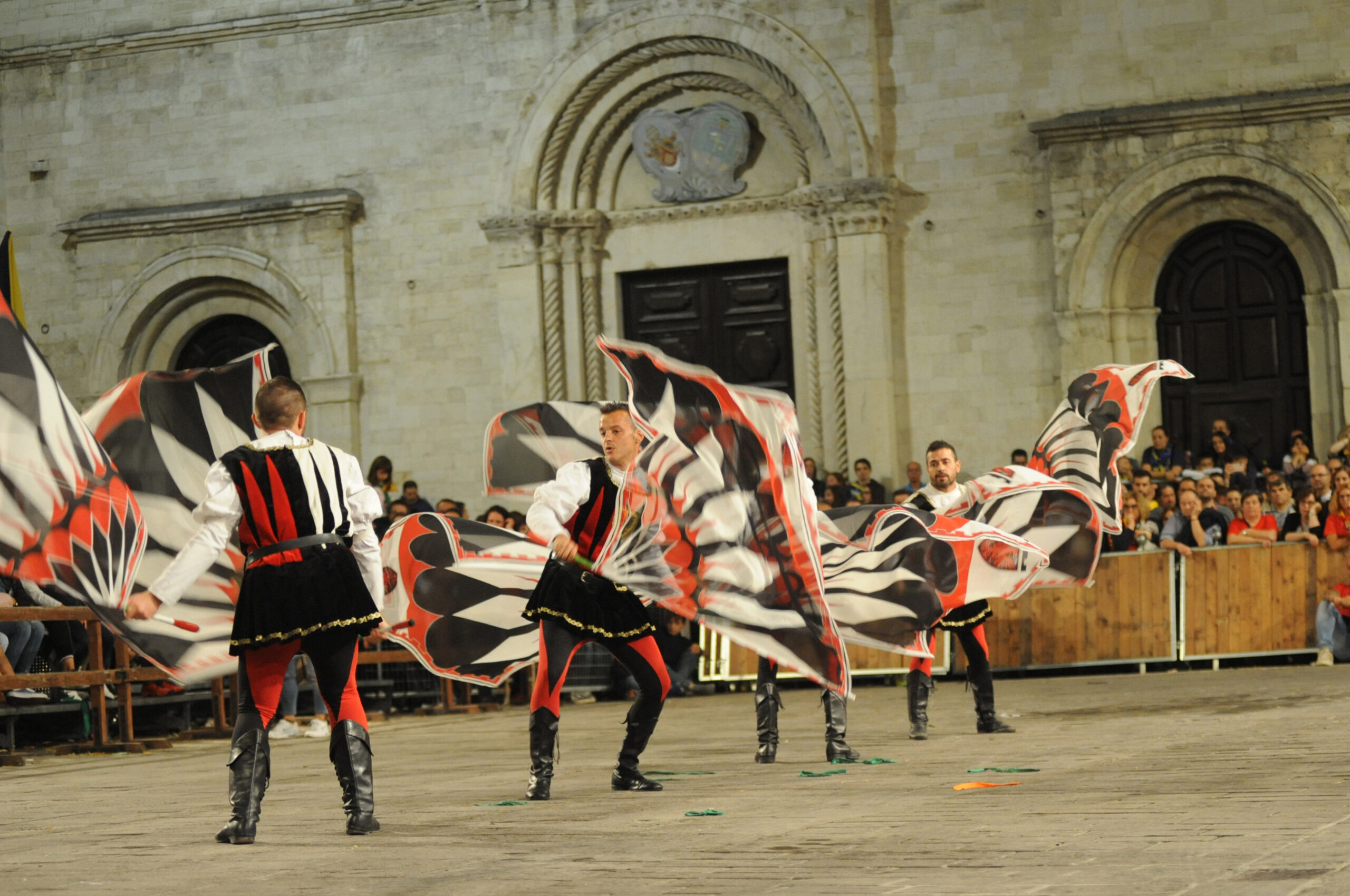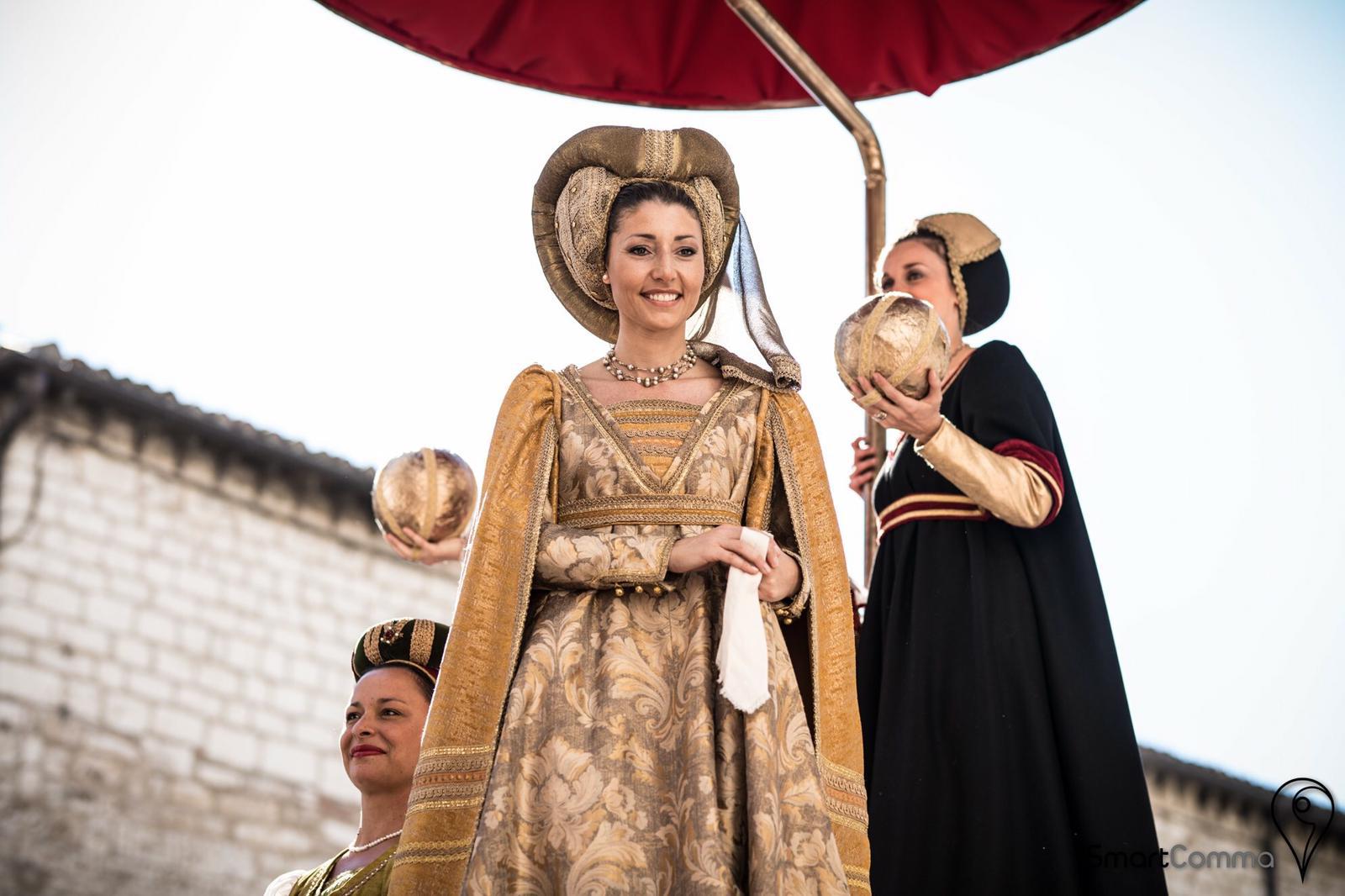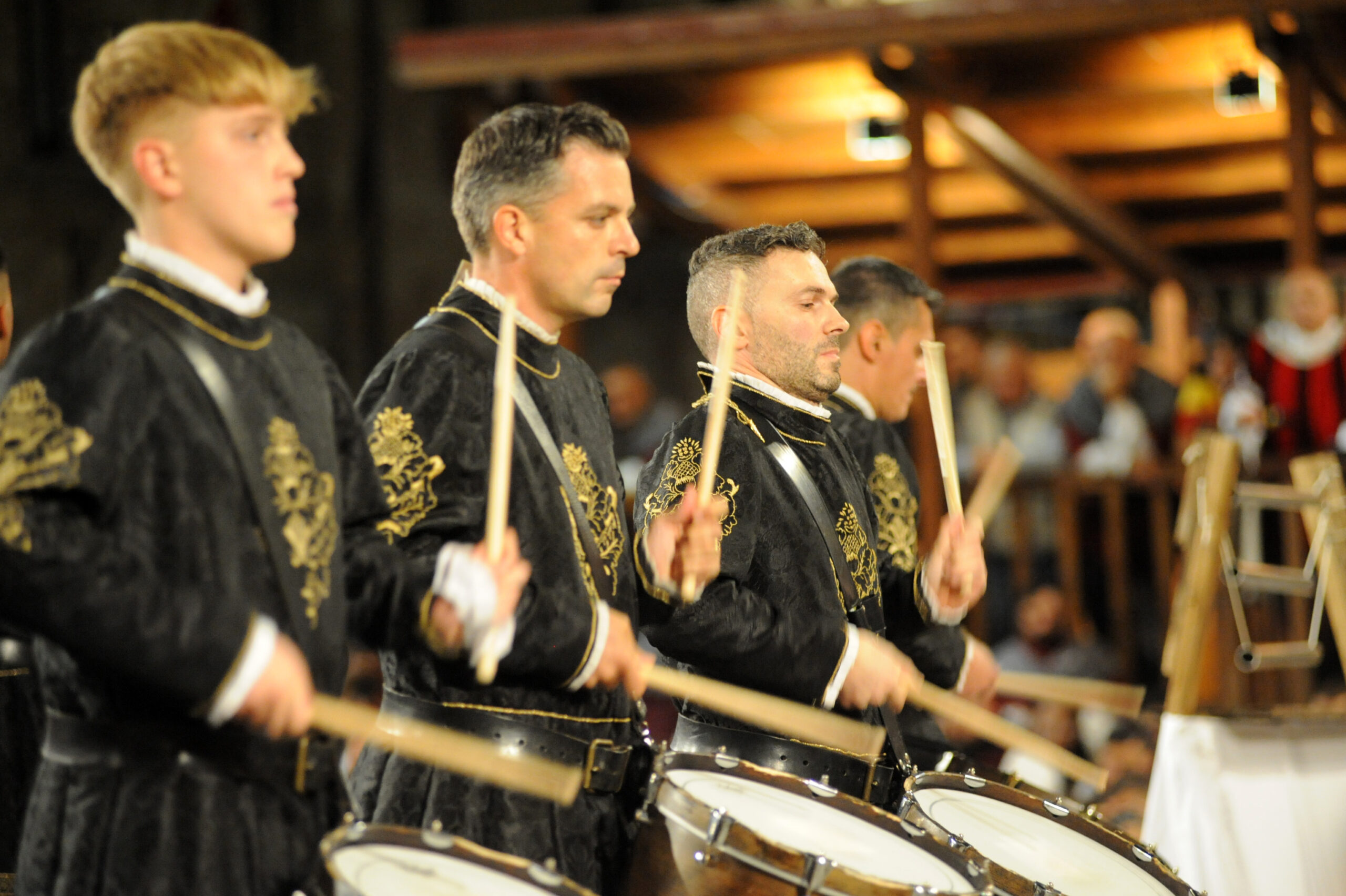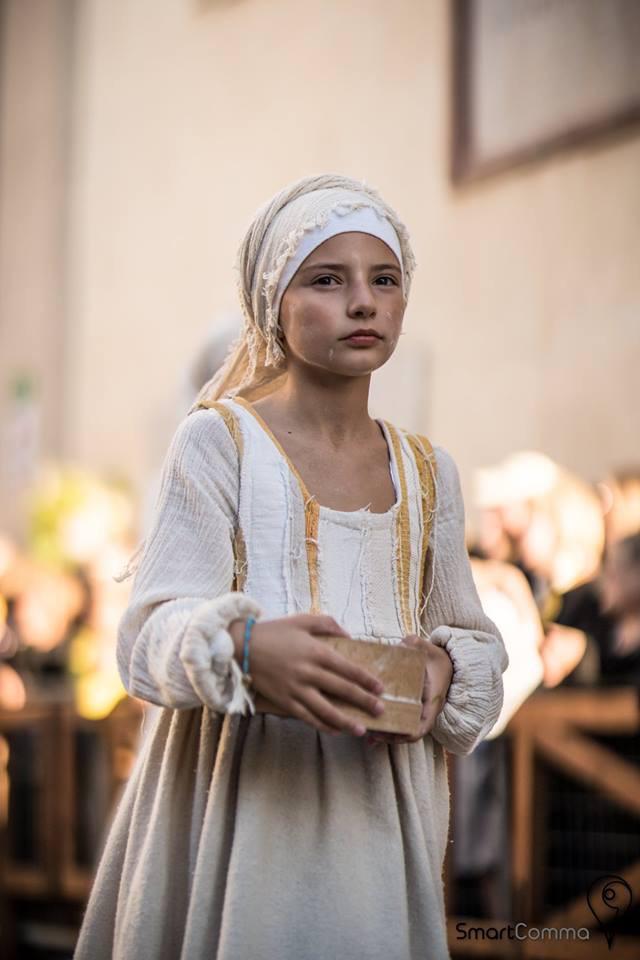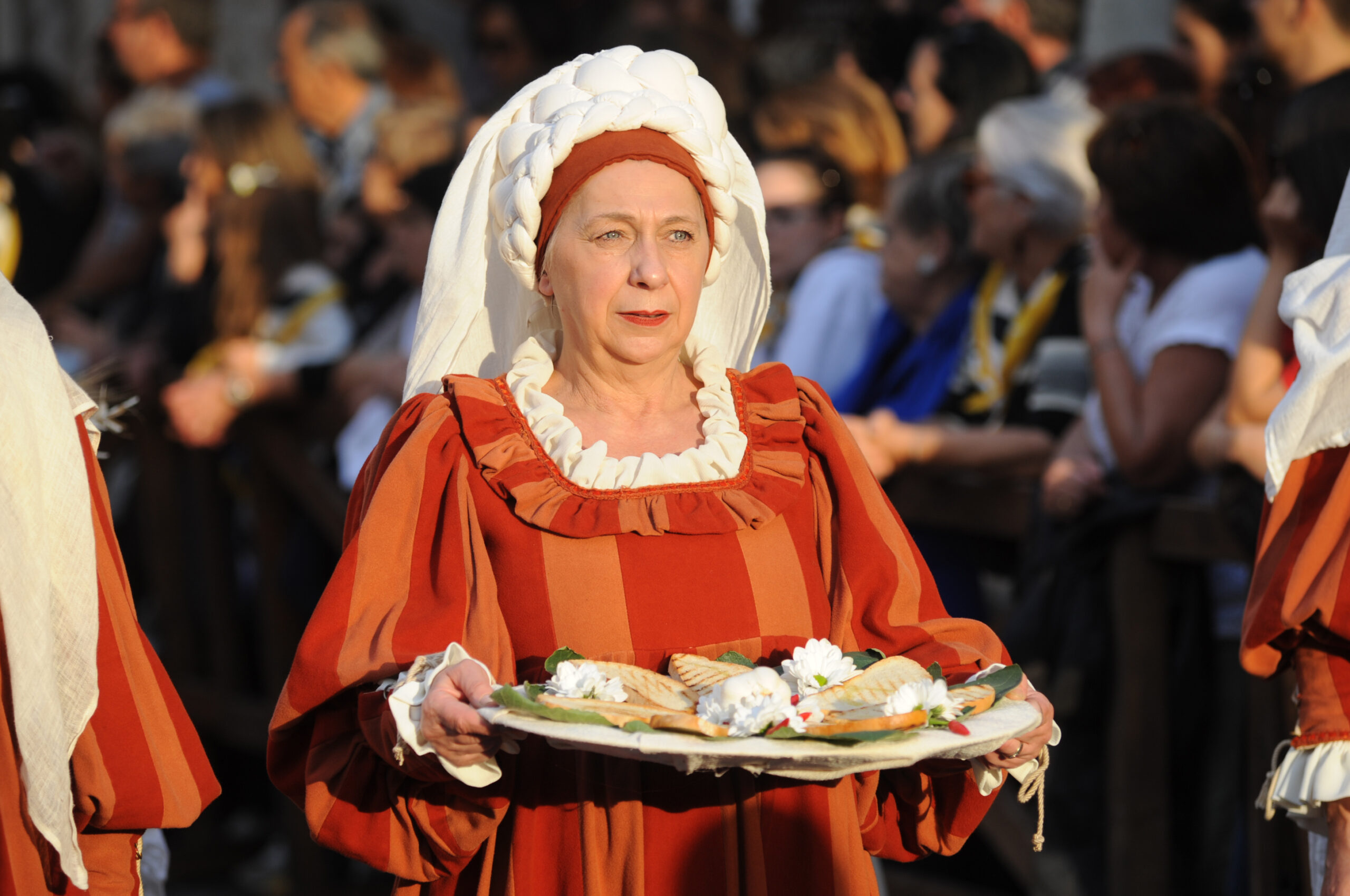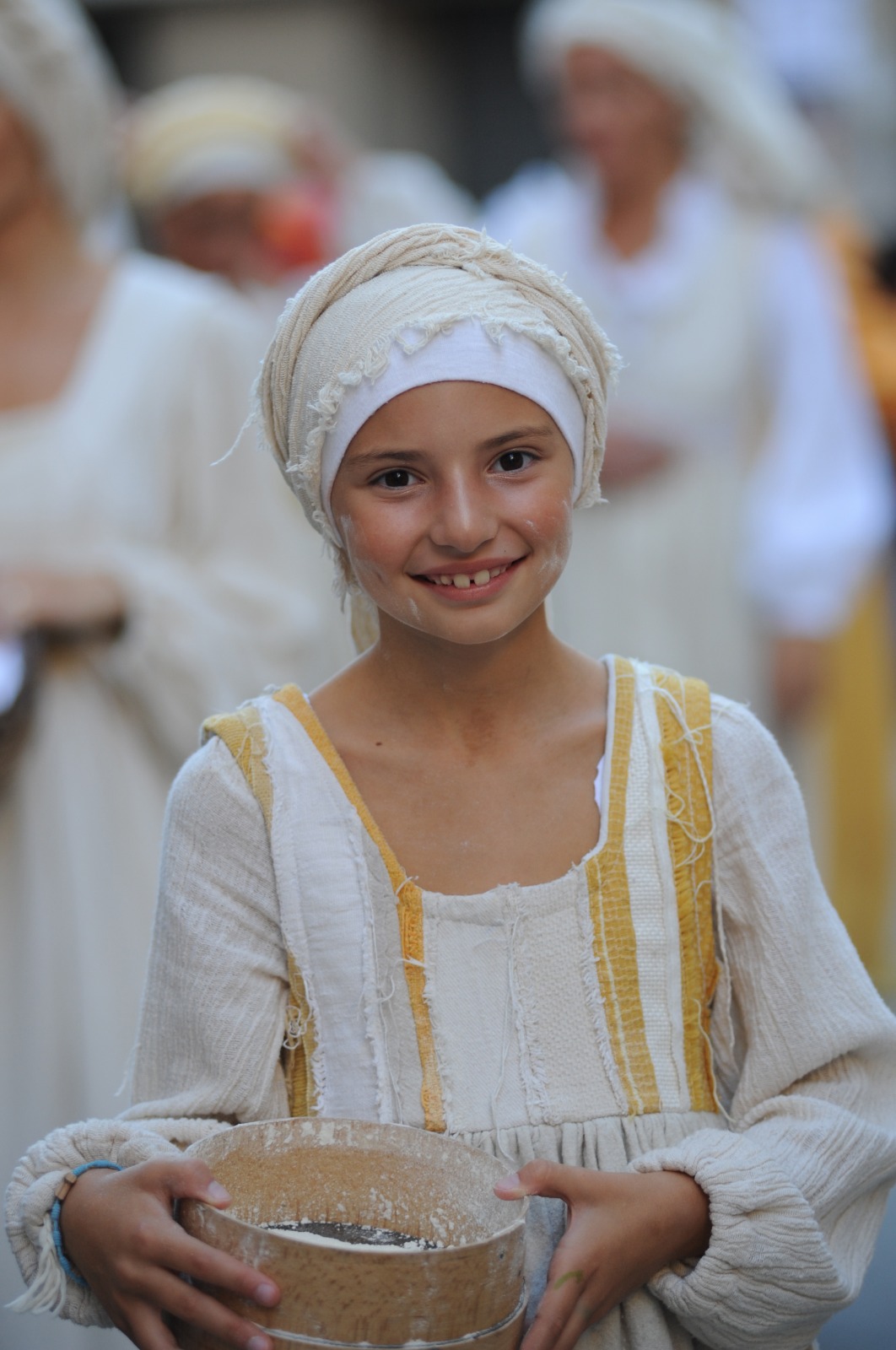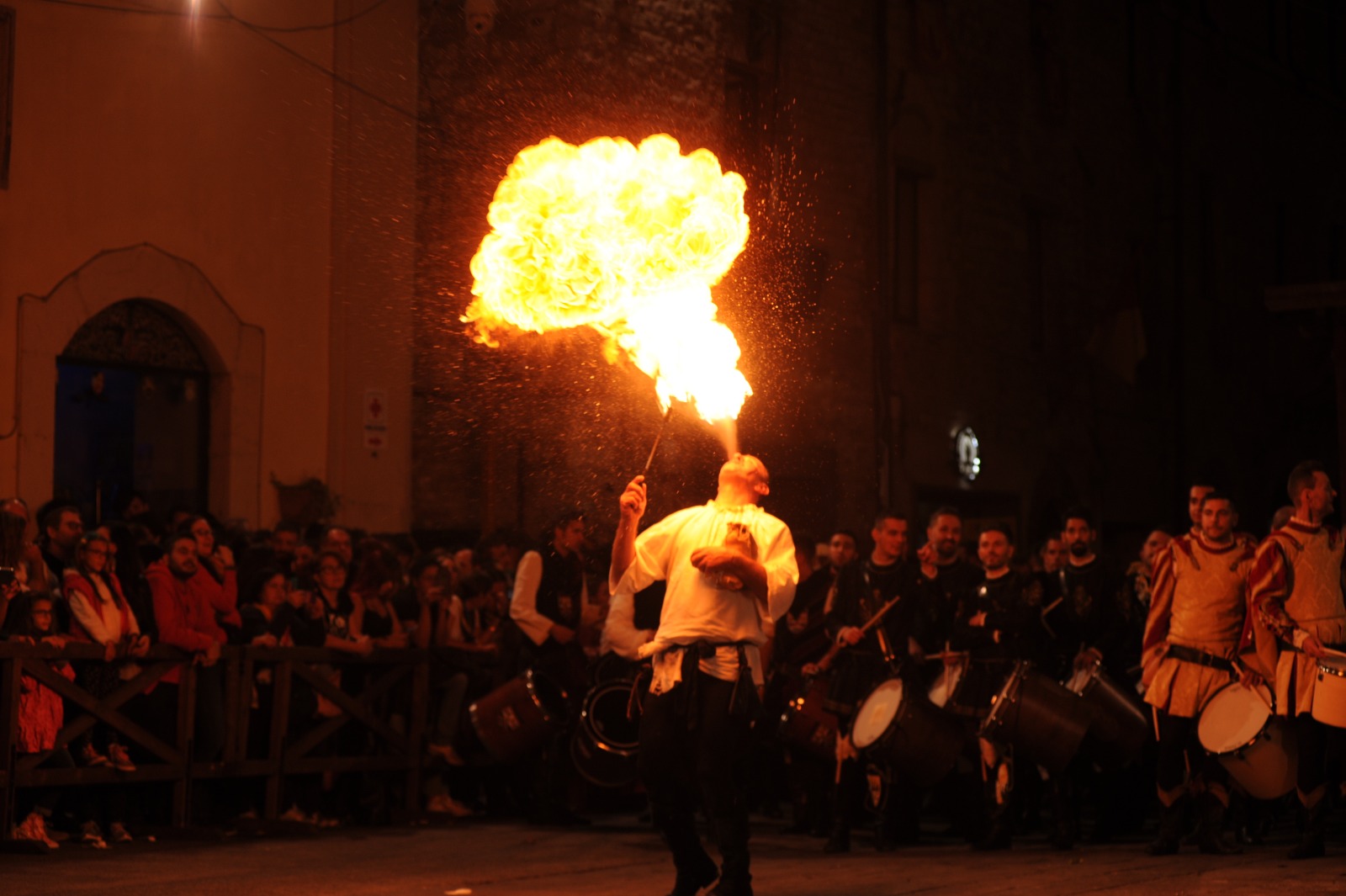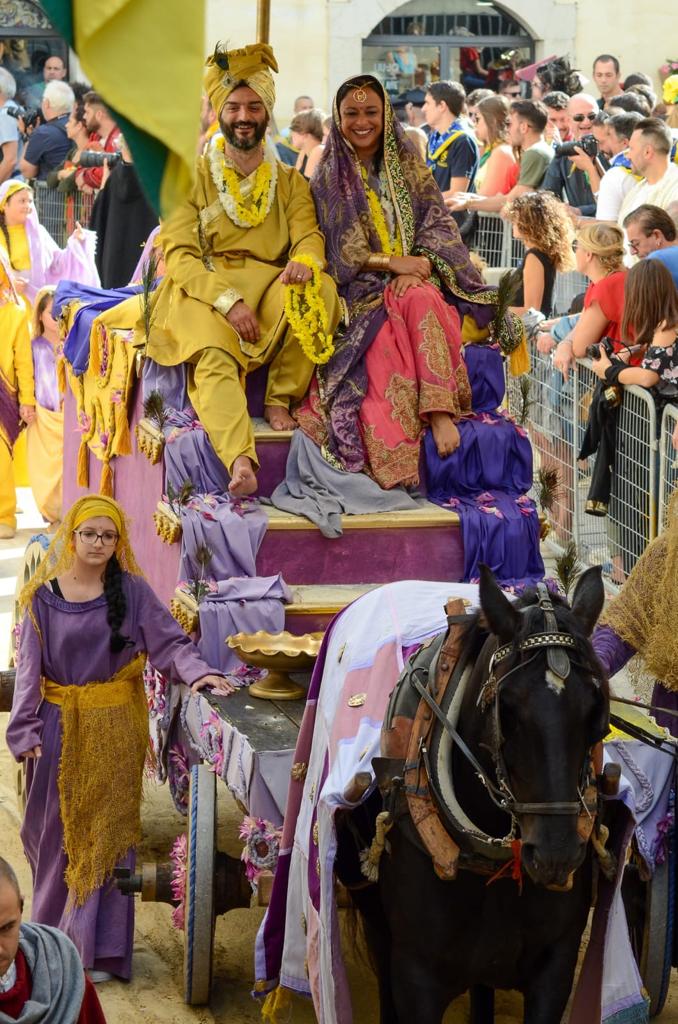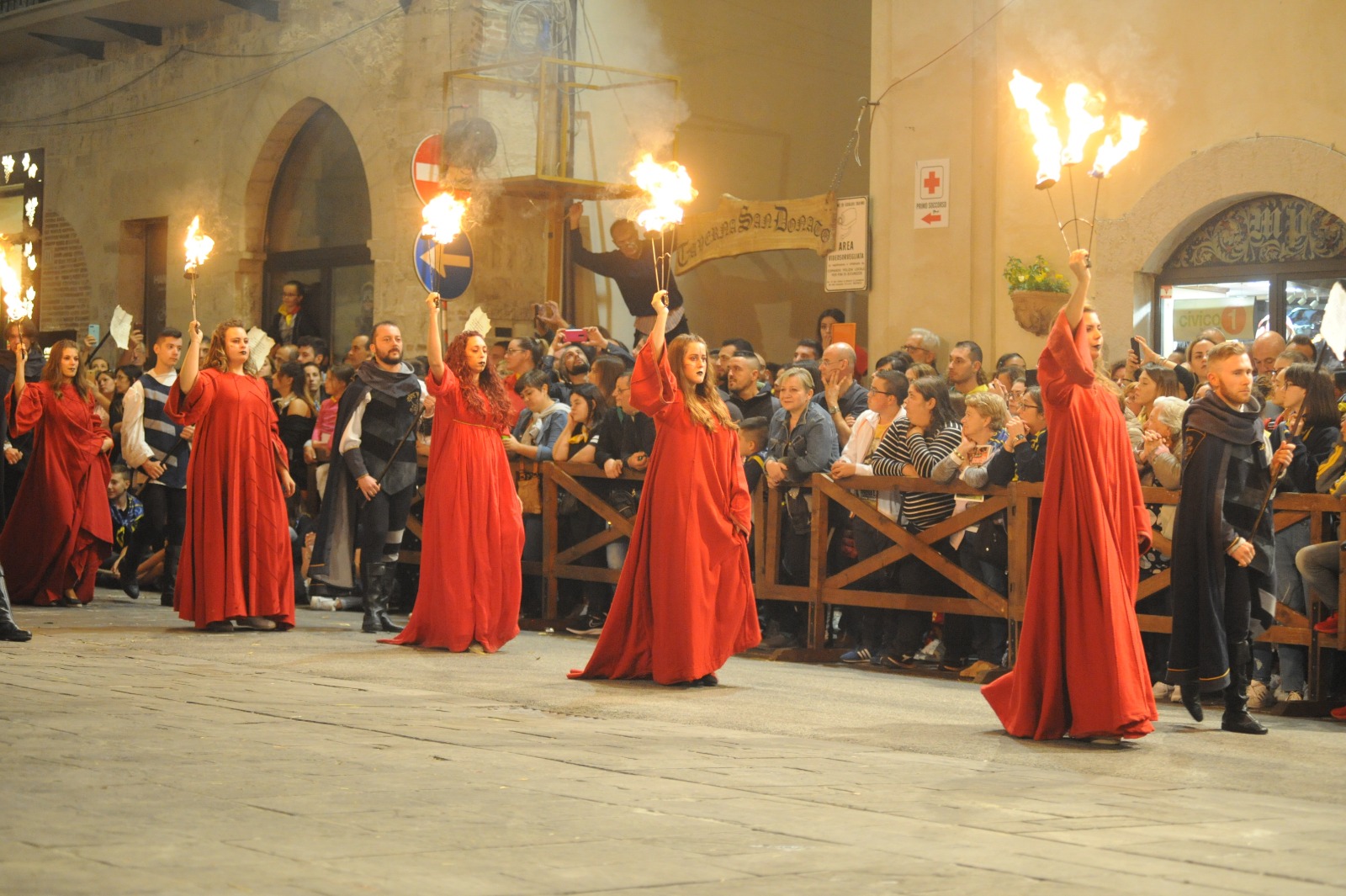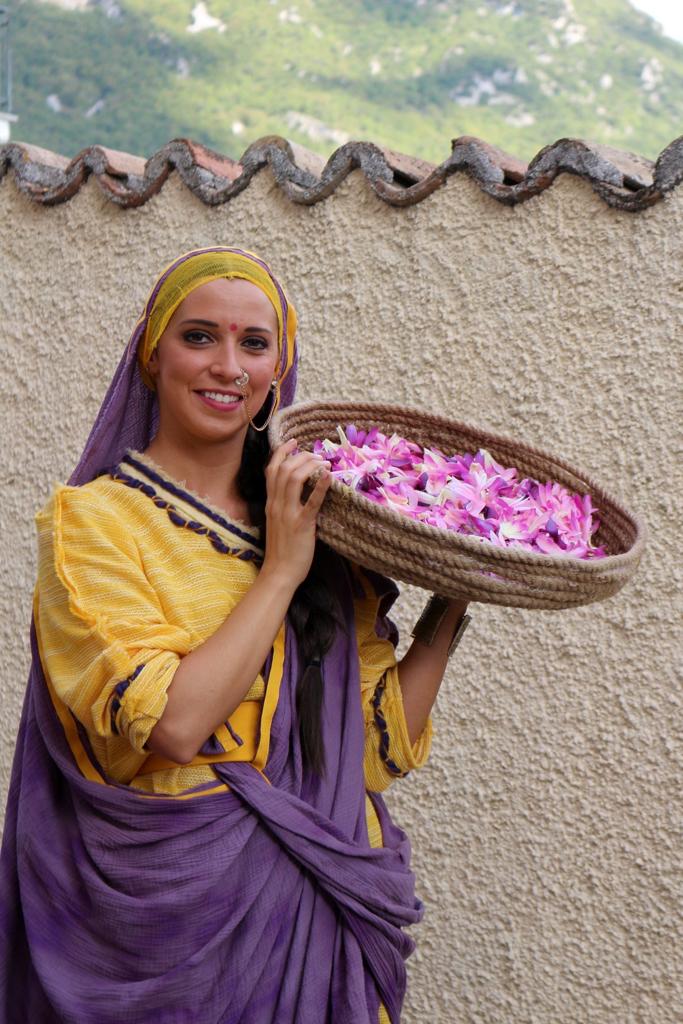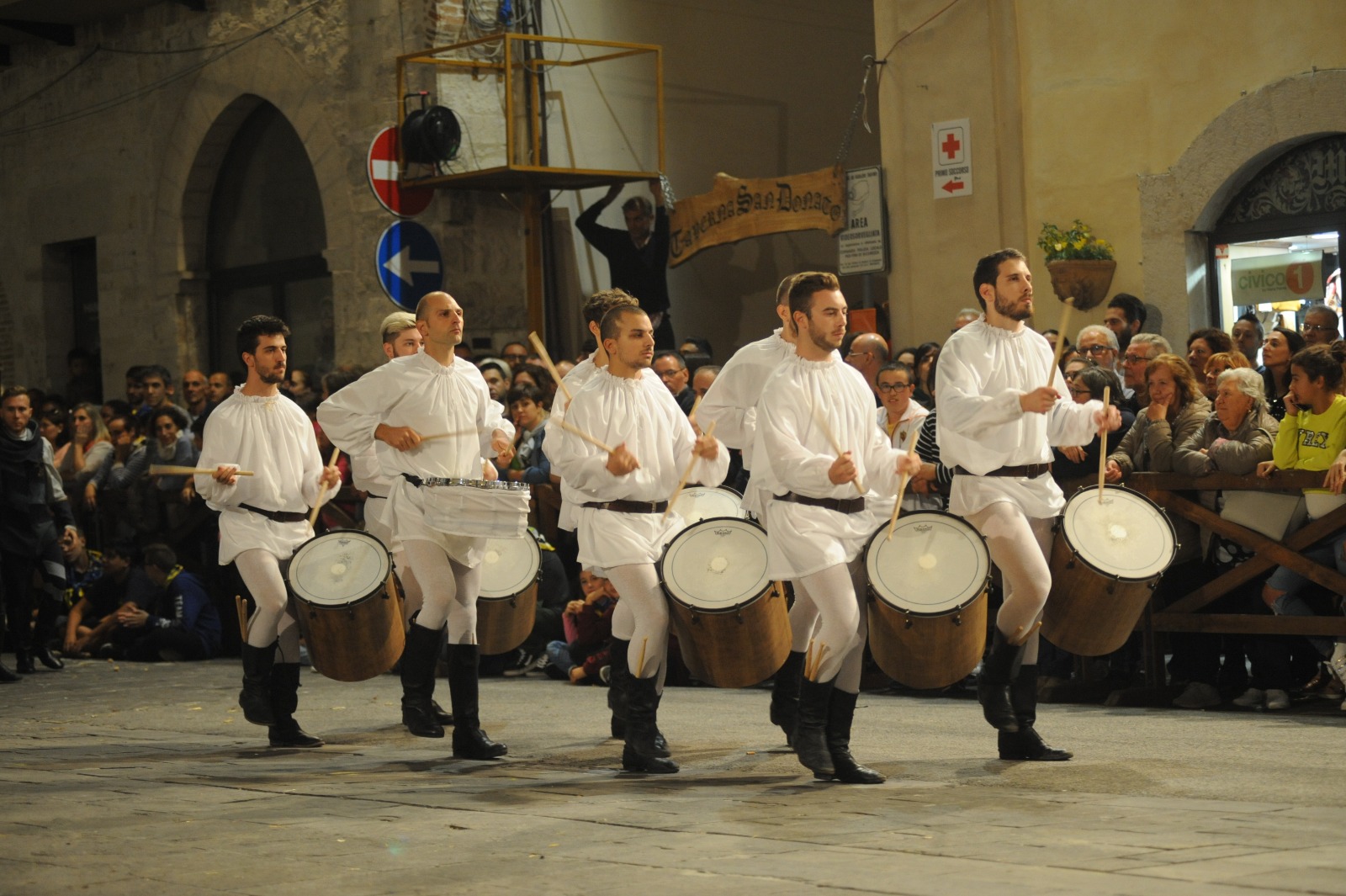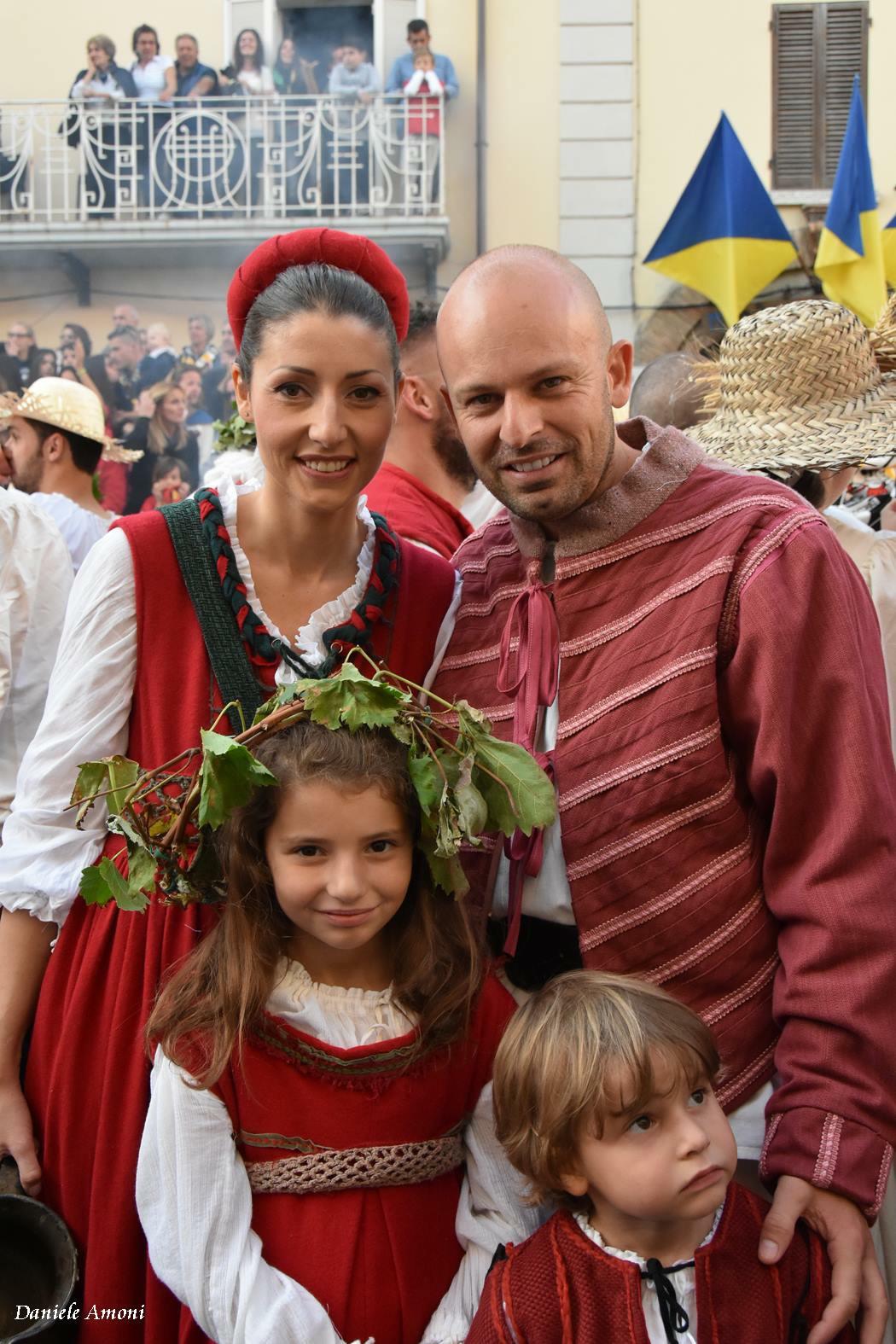


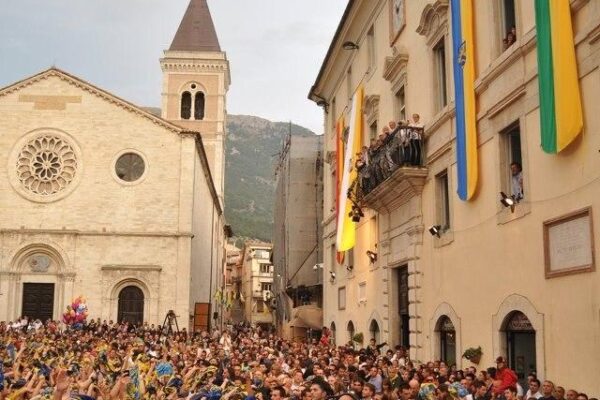
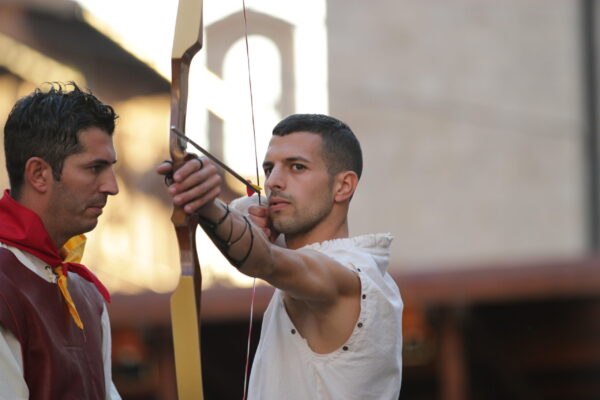
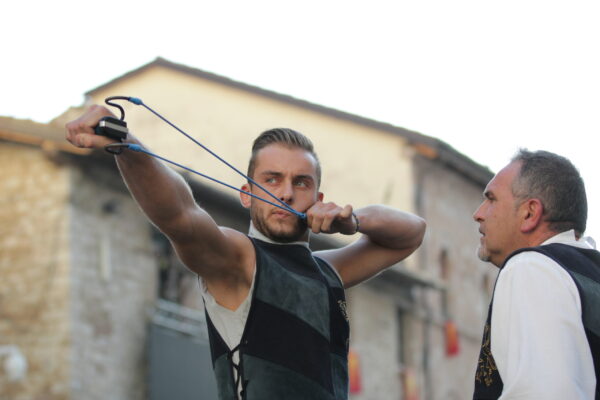
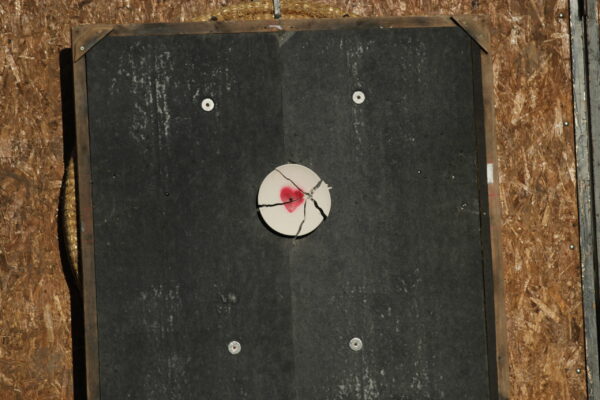
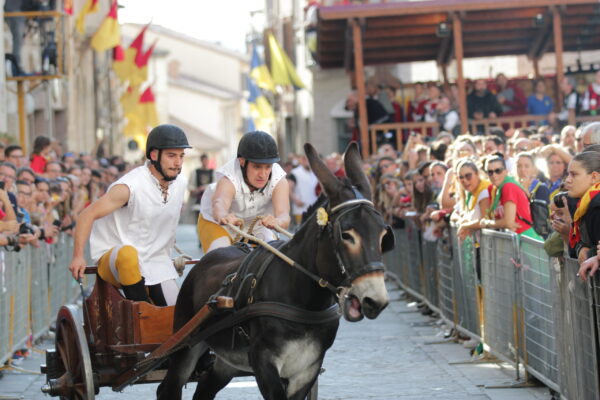
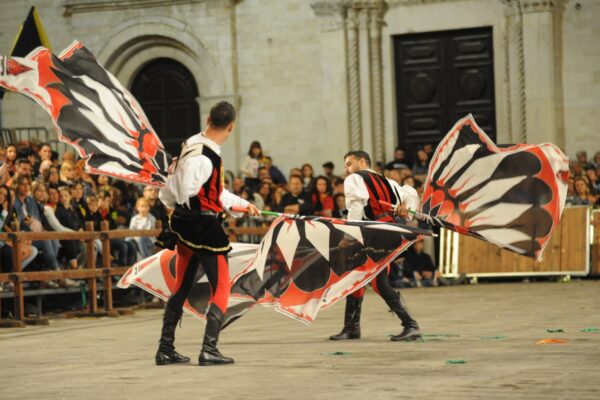
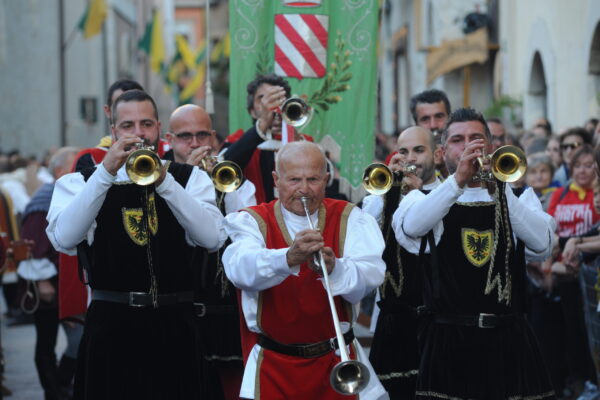
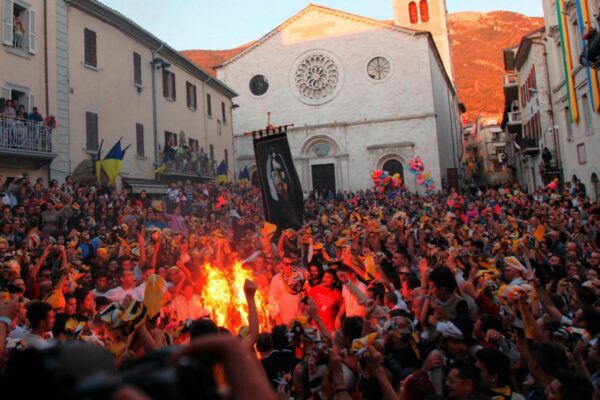
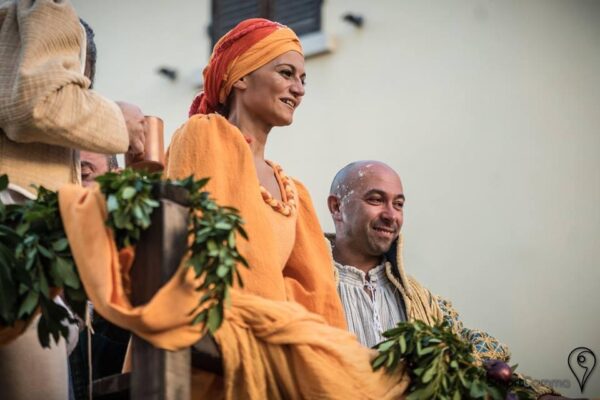
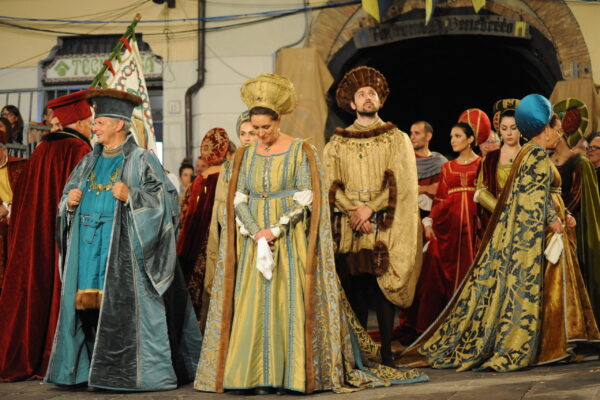
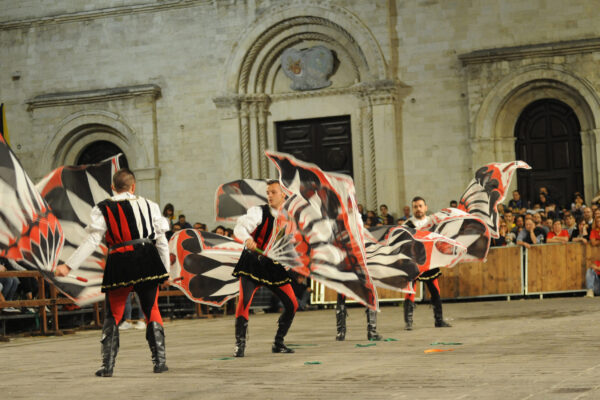
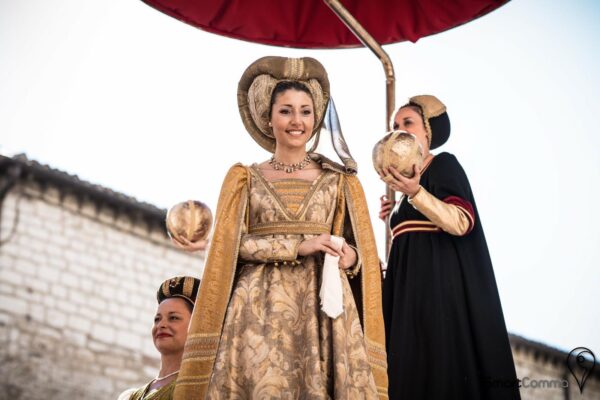
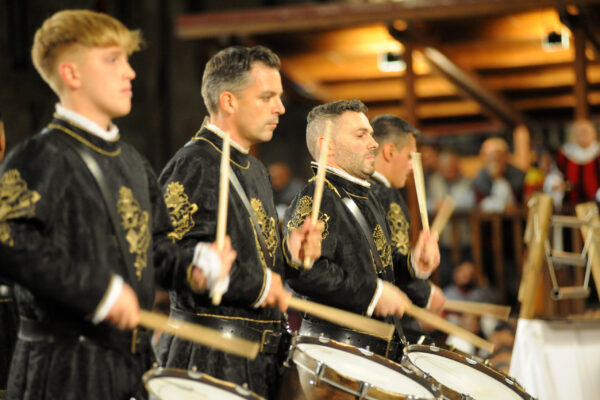
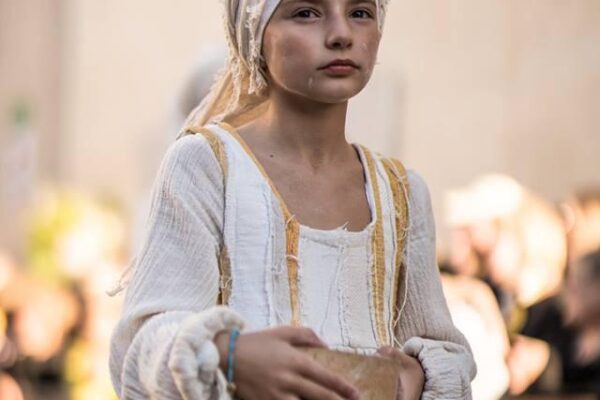
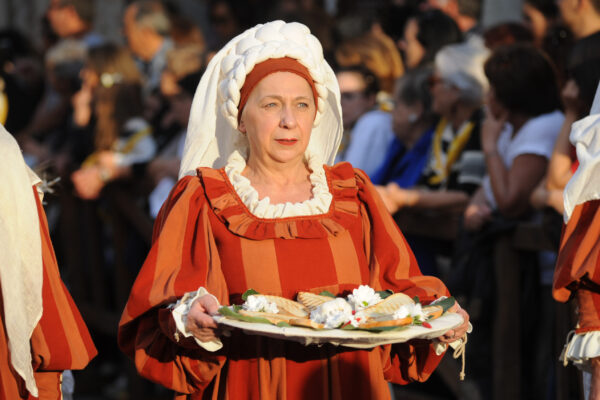
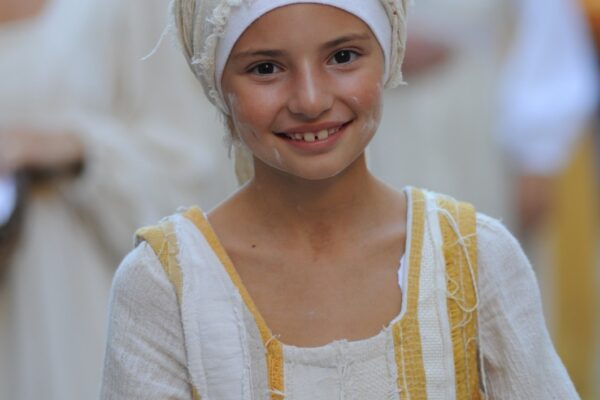
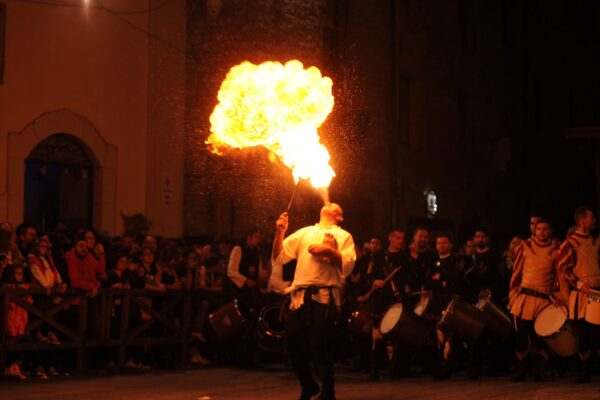
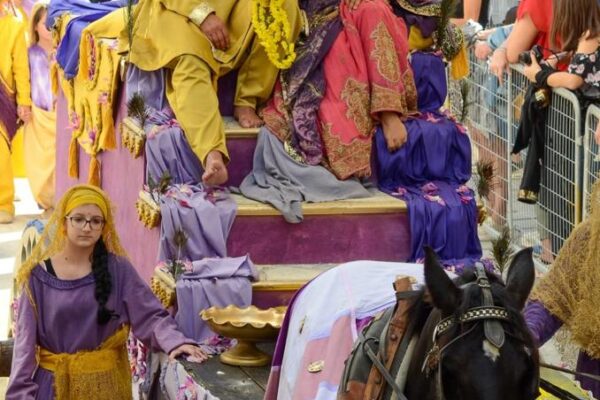
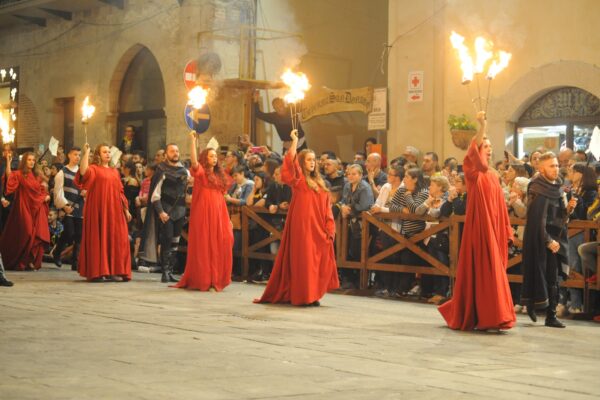
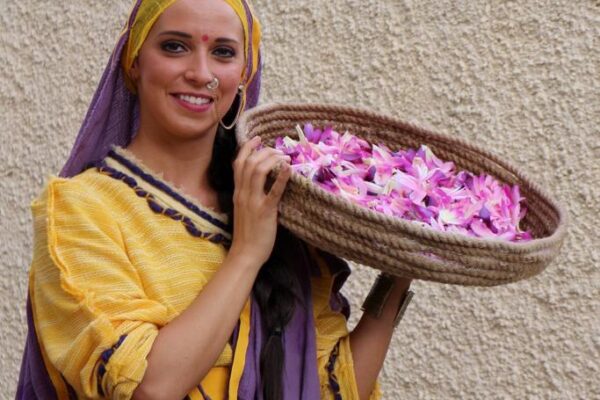
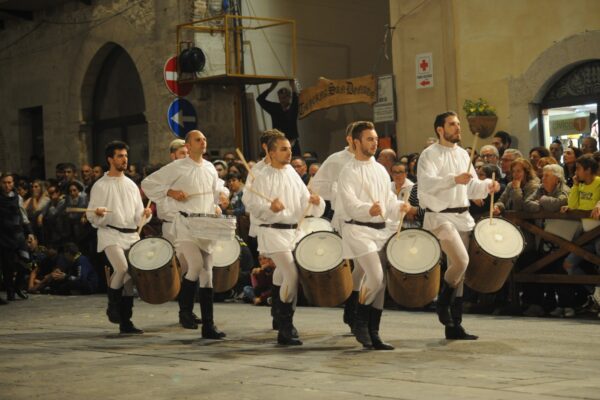
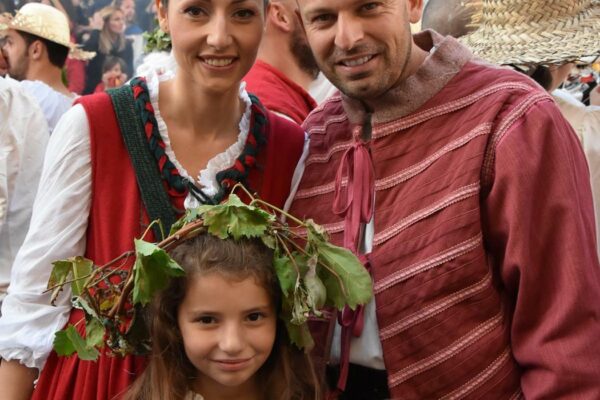
Like all the ancient villages of central Italy, Gualdo Tadino also has its own ancient traditions. The most important of these is undoubtedly the one associated with Games de le Porte. Records dating back to the 17th century mention equestrian games held in Gualdo, which were revived in the late 1970s. The event is based on the division of the town into four Gates: San Donato, San Facondino, San Benedetto, and San Martino. On the Friday of the last weekend in September, the games are inaugurated with the reading of the Gonfaloniere’s Proclamation and the opening of the taverns, which take part in a colorful opening parade followed by performances by drummers and flag-wavers. Saturday is the day of the historical parade. The town serves as the backdrop for a true reenactment of daily life in Gualdo during the late Middle Ages. At the end of the parade, the priors of each Porta issue a challenge to their opponents. The highlight is Sunday, the day of the actual competition. But not before some preliminary activities have taken place. First, the cart is seized; then the starting order for the races is drawn by lot; and, as a final prelude, a final parade takes place. The games are divided into four competitions: the first is the timed donkey-and-cart race, followed by slingshot shooting aimed at shattering the ceramic heart of the Bastola, archery, and finally the most anticipated event of all, the bareback donkey race. Whoever scores the most points wins the prize. At midnight on Sunday, the exchange of handkerchiefs takes place, marking the peace between the Gates and the end of the games.
The winners have the honor of burning the Bastola. Poets, artists, writers, and historians have alternately portrayed the Bastola as a witch, a lost soul, or an evil nocturnal creature. Even today, a great mystery surrounds her figure; the only thing certain is that she is considered the city’s enemy for having set Gualdo ablaze in the 13th century.
But Bastola’s story is far more complex and painfully fascinating. Born to a widow without a father, she followed in her mother’s footsteps, who died in a fire. Her original name was Bartola, but it was mangled into Bastola by a drunkard. A nobleman whose wife was ill sought her help. However, the attempts at healing were unsuccessful. A second fire struck the city, and Bastola was singled out as a scapegoat. Later, Frederick II found himself in Gualdo and decided to help the local population rebuild the city, particularly Rocca Flea.
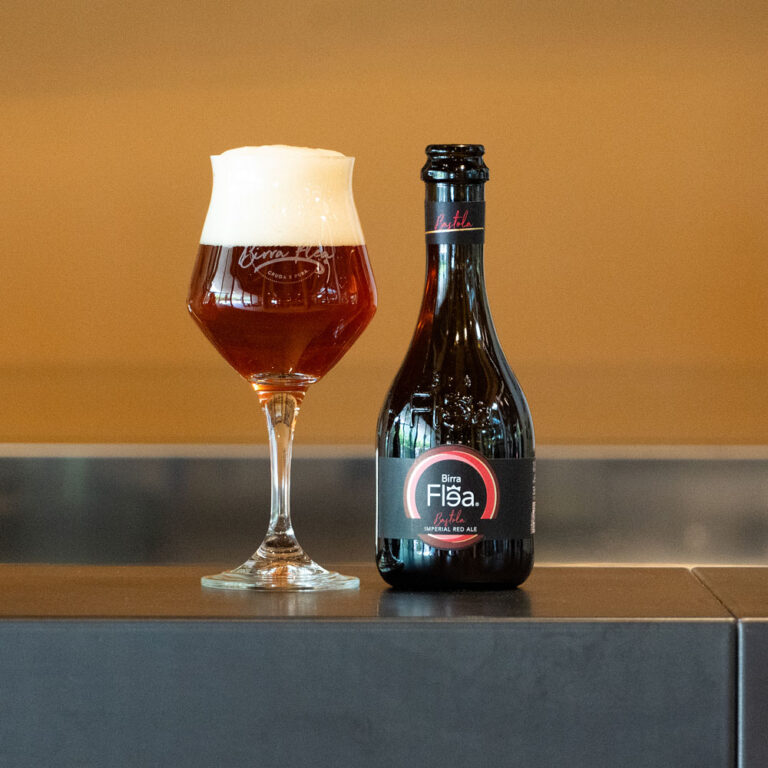
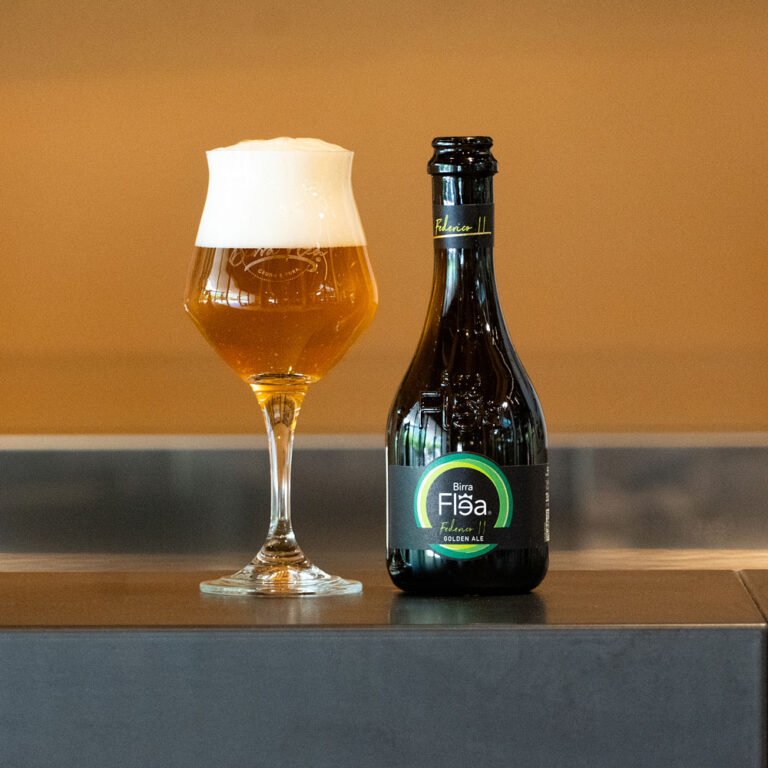
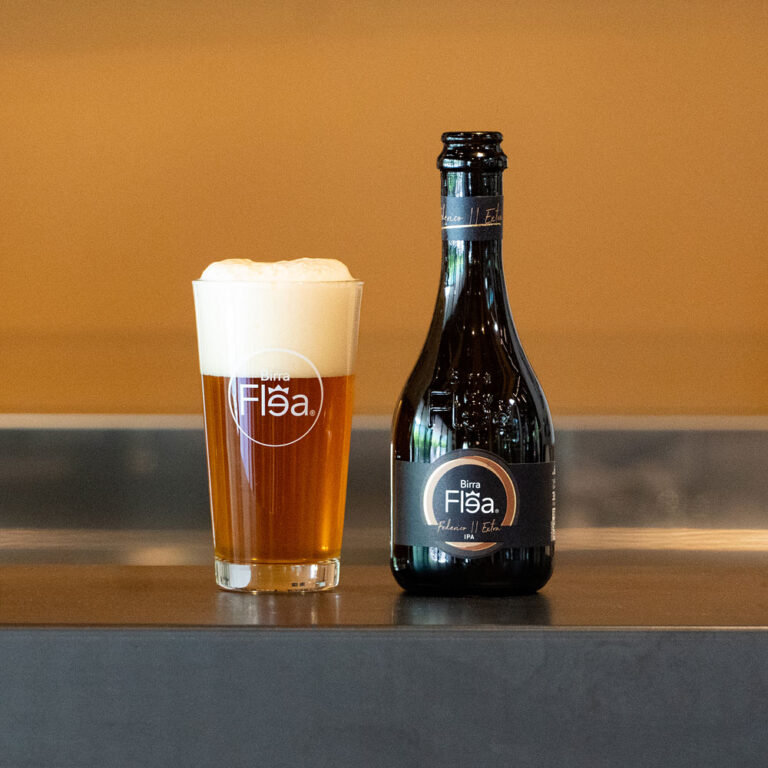
Proprio dalla Bastola trae origine l’omonima birra dal colore ambrato scuro tendente al rosso, dal gusto intenso, secco, leggermente amaro e con retrogusto caramello e nocciola . La schiuma è compatta, cremosa e aderente. Non filtrata, non pastorizzata, ad alta fermentazione e rifermentata in bottiglia. Federico II ha due birre a lui dedicate. La prima ha un colore giallo intenso, è prodotta con malto d’orzo al 100%. Ha un gusto fresco, tendenzialmente amaro e con retrogusto erbaceo. La Federico II Extra è invece una doppio malto ed ha un colore ramato.
This year, in compliance with COVID-19 regulations, the games will not take place. The best way to honor them nonetheless is to spend a lovely evening in the company of good friends, enjoying good food, and raising a toast with Bastola, Federico II, and Federico II Extra to Gualdo—to its innate elegance, its games, and its people. Next year’s games will be even better.

Dallo shop
Le birre di cui parliamo
Spedizione espressa gratuita da 69 € · Tutte le birre